

I've always been a designer, it just took me a while to find the right canvas.
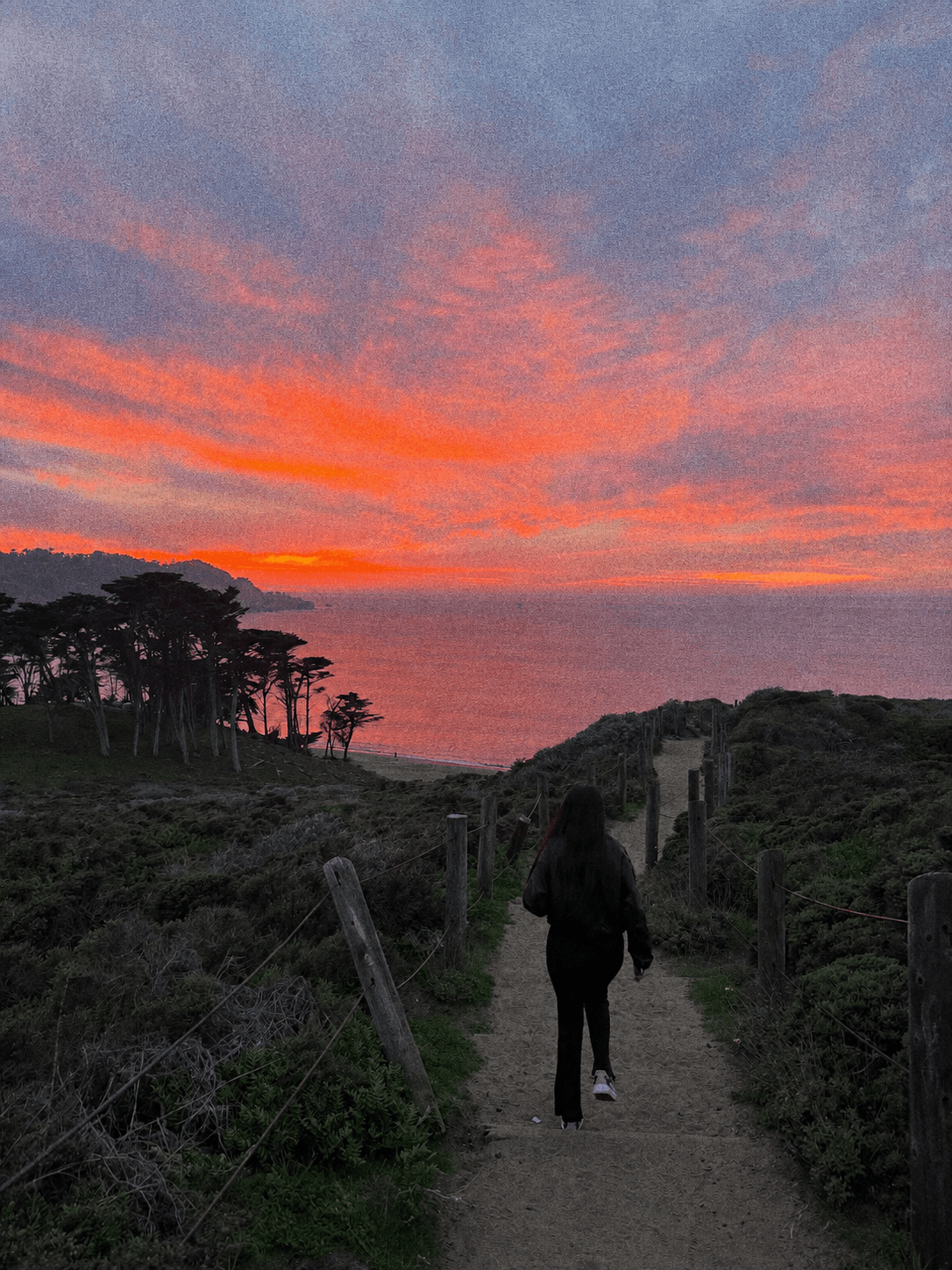
I spent five years studying architecture. And architecture, at its core, is about people. How they move through a space, how a room makes them feel, what they need without ever having to ask for it. I learned to think in systems. I learned that every decision, a doorway here, a window there, has a consequence for the person living inside it. That instinct was always there. I just didn't know yet where it belonged.
After graduating, I went looking. I tried themed gift hampers and event planning, and somewhere in between curating experiences for strangers and orchestrating the exact moment someone walks into a room and their face changes, I realised I'd been doing user research and experience design all along. I just didn't have a name for it yet.
I was soon introduced to UX design. I did a short course, landed an internship, and something clicked. For the first time, I was designing for people with real, tangible problems. A form that was too long. A flow that assumed too much. A product that forgot there was a human on the other side. These weren't aesthetic problems. They were human problems. And solving them felt more meaningful than anything I'd done before.
What kept me completely hooked was the intersection. I'm an advocate for the user, but I'm also thinking about what the business needs to achieve. I'm holding both at the same time, and my job is to find the answer that honours both. That tension, I discovered, is where the most interesting design decisions live. And five years in, it still is.
The years that followed took me places I hadn't expected. I've helped global engineering teams at Scania coordinate across borders, built a mental health platform for United Nations personnel where privacy wasn't a feature, it was the foundation, and designed AI-powered tools that turned weeks of manual work into minutes. Each project came with its own constraints, its own users, its own version of the same question. What does this person actually need, and am I giving it to them?
The scale has changed enormously. The question hasn't.
No guesswork, just a clear path from ideas to results.
Say goodbye to outdated hiring methods and experience the difference firsthand
Step #1
Research
Discovery workshops, stakeholder interviews, and mapping existing workflows to find where things break.
Step #2
Define
Translating research into clear problem statements, personas, and design objectives.
Step #3
Design
Wireframes to high-fidelity designing within platform constraints without compromising usability.
Step #4
Deliver
Collaborating with developers, iterating on feedback, and ensuring the final product matches the intent.
Powerful Tools, Exceptional Results
Leverage cutting-edge tools and skills to bring your ideas to life with precision and impact

Figma
Designing intuitive with seamless collaboration
Figjam
Brainstorming, flowcharts and stakeholder alignment sessions
85%

Framer
Building high-performance websites with animations
85%

Miro
Mapping user journeys and running collaborative workshops
80%
Adobe Photoshop
Enhancing visuals and creating stunning graphics.
70%
Adobe Illustrator
Crafting crisp vector illustrations and branding assets
65%
Other Skills: User Research · Journey Mapping · Wireframing · Prototyping · Design Systems · Usability Testing · Information Architecture · Accessibility (WCAG) · FigJam · Miro · Human-AI Interaction · Adobe XD · After Effects